
Relocating to the Pacific Northwest requires navigating a complex real estate landscape, and moving to Bellevue, WA places you at the center of the region's economic growth. Once considered a quiet residential counterpart to Seattle, this city has transformed into a global tech hub that commands some of the highest real estate values in Washington state.
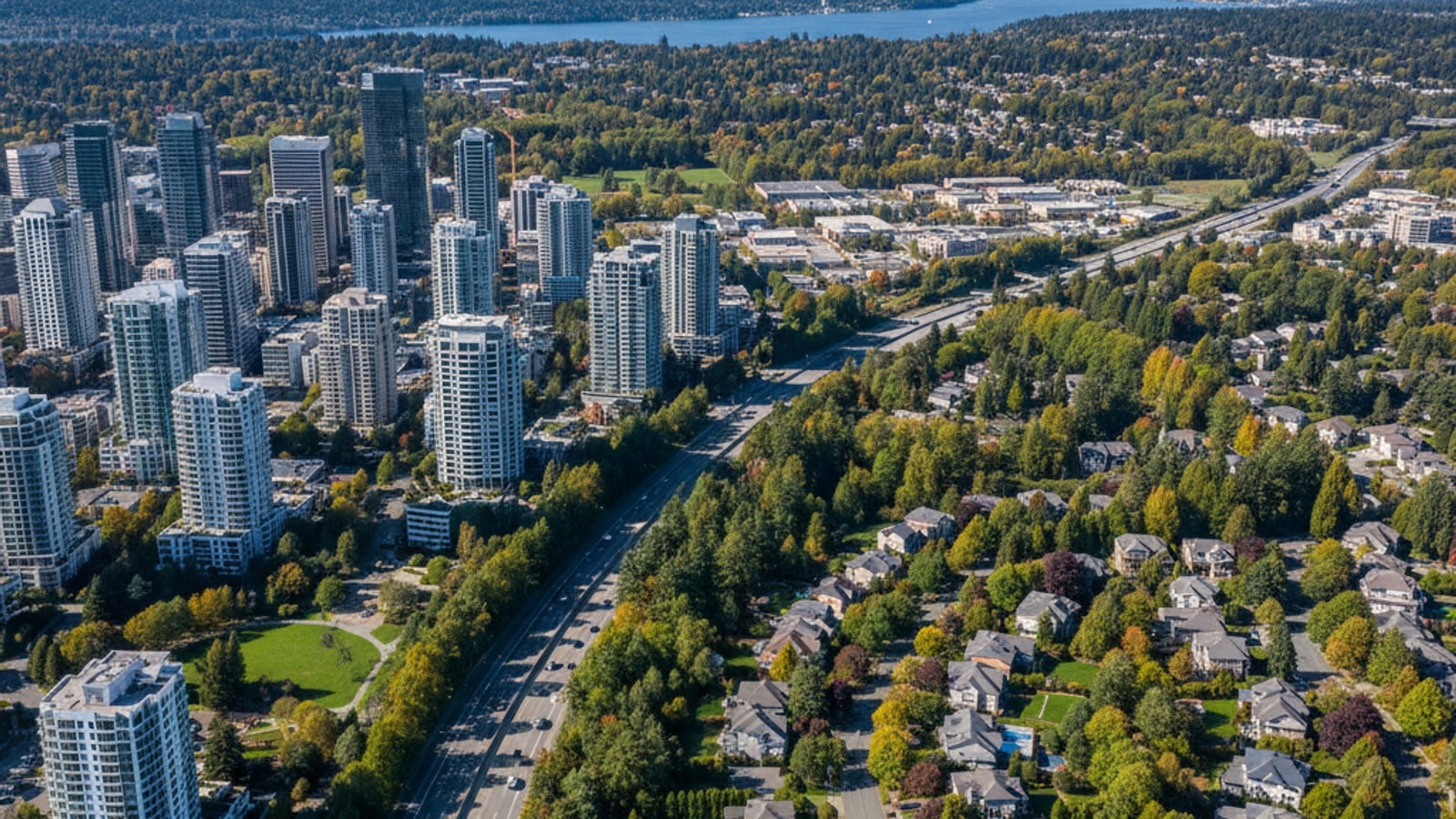
Buyers looking at the Eastside will find a polished, highly planned environment that balances dense corporate architecture with expansive natural areas. The completion of major transit projects in 2026 has further integrated the city with the broader Seattle metropolitan area, fundamentally changing how residents commute and interact with the region.
Understanding the local market requires looking beyond the impressive skyline to evaluate property taxes, school boundaries, and daily commute realities. Navigating these factors is essential for anyone preparing to purchase a home or sign a lease in this highly competitive Pacific Northwest market.
Is Bellevue, WA a Good Place to Live?
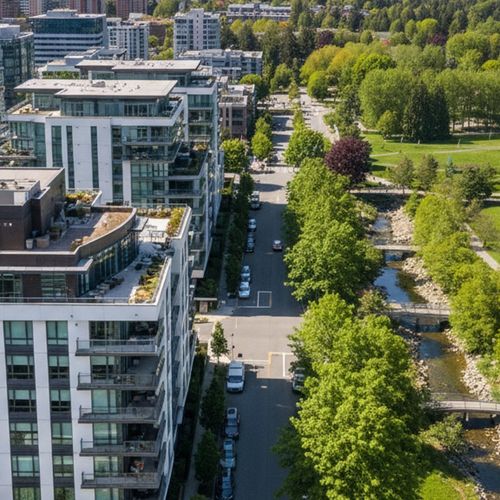
Bellevue balances dense urban amenities in Downtown Bellevue with immediate access to natural beauty. The city has grown into a fast-paced economic center while intentionally retaining vast green spaces and tree-lined streets.
Objective area statistics show strong local infrastructure, including proximity to top-tier healthcare facilities like Overlake Hospital Medical Center. Local crime statistics reflect a heavily monitored and well-lit downtown core, alongside well-maintained residential streets that receive regular city services.
The primary tradeoff for this high quality of life is the steep cost of living. Buyers must weigh the pristine parks and robust job market against housing prices that far exceed the national average. The tradeoff is steep, but buyers who prioritize pristine infrastructure over sheer square footage will find the investment worthwhile.
The Bellevue Housing Market and Cost of Living
The Bellevue housing market remains highly competitive in 2026, driven by sustained demand from the technology sector. Buyers will find a mix of luxury single-family homes in established neighborhoods and high-rise condominiums in the rapidly expanding downtown core.
As of spring 2026, the median home price in the city sits at approximately $1,500,000. This figure represents a significant premium over both the national average and the broader King County real estate market.
Property taxes help offset a fraction of the initial sticker shock, as Bellevue features a relatively moderate median effective property tax rate of 0.73%. However, everyday expenses from groceries to utilities push the overall cost of living well above neighboring cities. Buyers must budget for higher daily living expenses, not just the mortgage, when calculating their actual purchasing power in this zip code.
Bellevue School District Overview
The Bellevue School District consistently ranks among the top public education systems in Washington state. These strong academic outcomes heavily influence local real estate demand and sustain high property values across every neighborhood.
Students in the area attend well-known secondary facilities, including Newport High School, Bellevue High School, and Interlake High School. These campuses boast extensive athletic facilities and updated technology centers that rival private institutions.
Residents have access to specialized academic tracks, such as Advanced Placement and International Baccalaureate programs. Purchasing a home within the boundaries of Newport High School or Interlake High School is one of the most reliable ways to protect long-term resale value.
Job Opportunities and the Seattle Commute
Bellevue operates as a massive employment center, anchoring the Eastside with a heavy concentration of major tech companies. The Spring District and the downtown core host sprawling corporate offices for industry giants like Amazon and T-Mobile US.
The city also borders Redmond, Washington, providing residents with immediate proximity to Microsoft's global headquarters. This density of high-paying employers keeps the local housing market insulated from broader national economic shifts.
For those working in the Seattle metropolitan area, commuting requires navigating Interstate 90 or State Route 520. A typical drive to Seattle ranges from 20 to 35 minutes depending on rush hour traffic volume across the floating bridges. Living on the Eastside while working in Seattle is completely viable, but securing a home near the I-90 corridor will save you hours of weekly driving.
Public Transportation and Local Infrastructure
Major highway access defines the layout of Bellevue, with Interstate 405 running directly through the city center. This central artery connects seamlessly to the Interstate Highway System via I-90 and SR-520 for regional travel.
The biggest infrastructure shift arrived in March 2026 with the full opening of the East Link Extension, commonly known as the 2 Line. This light rail expansion finally connects South Bellevue directly across Lake Washington into downtown Seattle.
Local transit options also include an extensive network of King County Metro bus routes that serve residential zones. Properties located within walking distance of the new 2 Line stations are positioned to see the highest appreciation rates over the next five years.
Best Things to Do and Recreational Activities
Bellevue earned its reputation as a "City in a Park" through a vast network of green spaces and public trails. Residents enjoy immediate access to nature without having to navigate outside the city limits.
Key local attractions include the Bellevue Botanical Garden, the expansive Bellevue Downtown Park, and the Bellevue Arts Museum. Waterfront amenities are also a major draw, with Meydenbauer Beach Park offering direct access to Lake Washington for kayaking and paddleboarding.
Beyond the city borders, the Pacific Northwest provides endless outdoor recreation opportunities. The nearby Cascade Range offers world-class hiking, cycling, and winter sports just a short drive to the east. The seamless integration of dense urban retail right next to spaces like Downtown Park creates a walkable lifestyle that few suburban cities can replicate.
Frequently Asked Questions About Moving to Bellevue
How does living in Bellevue compare to Seattle?
Bellevue offers wider streets, newer infrastructure, and a more suburban feel compared to the dense, historic neighborhoods of Seattle. Residents in Bellevue pay a premium for this modern planning, with housing costs averaging roughly 20% higher than in the neighboring city. The trade-off provides easier parking, larger lot sizes, and closer proximity to Eastside tech campuses.
What is the weather like in Bellevue, WA?
Bellevue experiences a classic Pacific Northwest climate with dry, warm summers and overcast, drizzly winters. Summer temperatures typically hover around a comfortable 75 degrees, while winter months bring steady rain rather than heavy snow. The proximity to Lake Washington helps moderate extreme temperature swings throughout the entire year.
What salary do you need to live comfortably in Bellevue?
With the median home price sitting near $1,500,000 in 2026, a household income exceeding $250,000 is generally required to purchase property comfortably. Renters can manage with less, but everyday expenses and utilities remain significantly above the national average. Budgeting carefully is essential even for high-earning tech professionals relocating to the area.
Check out this article next