
Moving to the Eastside of Lake Washington requires understanding a real estate market that moves at an incredible pace. Bellevue has transformed from a quiet residential suburb into a massive economic center anchored by global technology companies. Buyers entering this market are looking at premium properties surrounded by extensive green spaces and high-end retail.
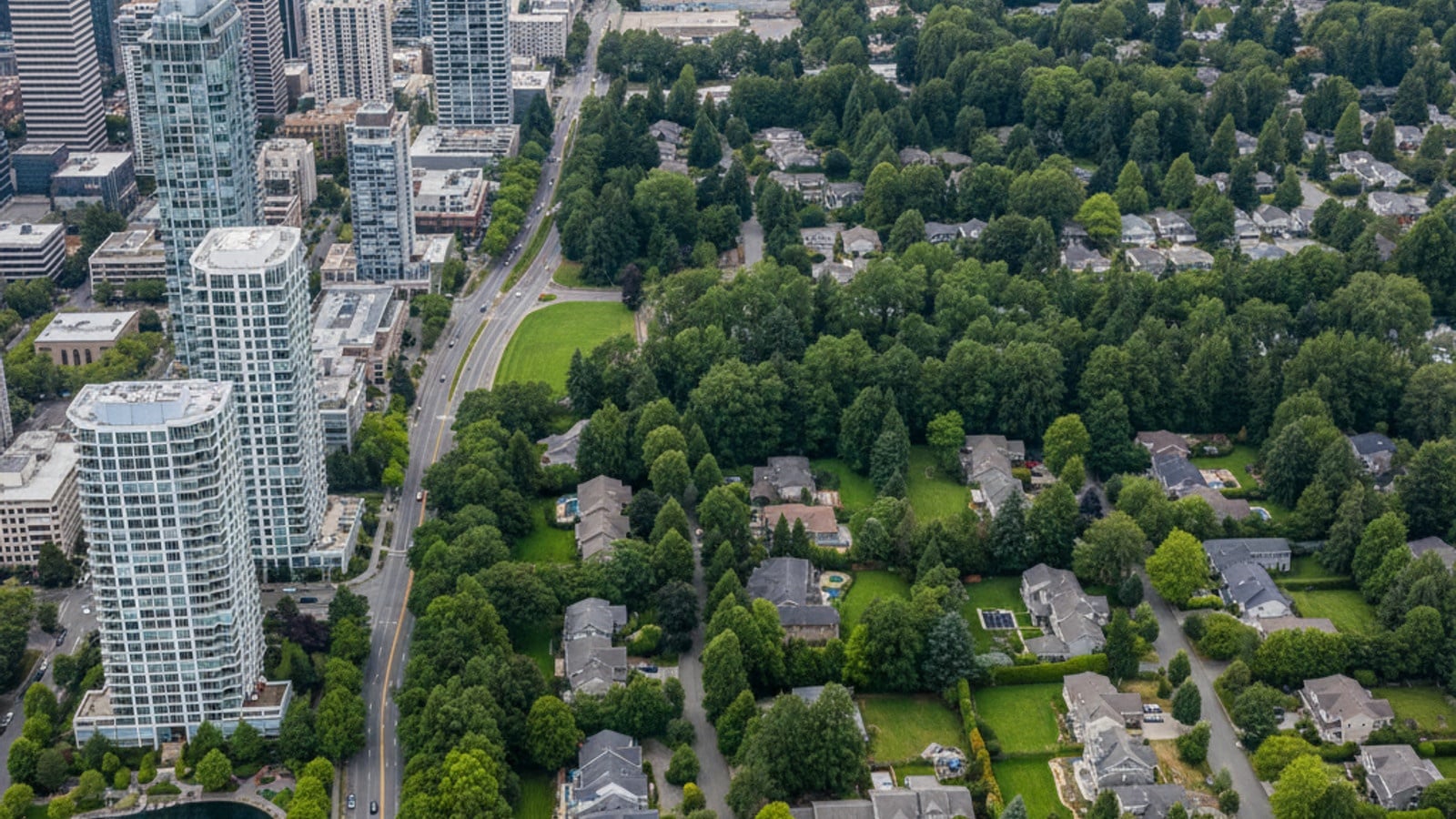
Relocating to this part of Washington state means balancing top-tier amenities with a high cost of entry. The city offers a highly structured environment where dense commercial districts seamlessly transition into forested residential streets. This guide covers the essential details about housing costs, commute times, local schools, and everyday life in Bellevue.
Bellevue, WA Cost of Living Index and Housing Costs
The financial reality of living in Bellevue, WA centers around housing costs that significantly exceed the national average. As of early 2026, the median home price in the city sits at approximately $1,500,000. Buyers must be prepared for a fast-paced environment where well-priced homes typically sell in under 10 days.
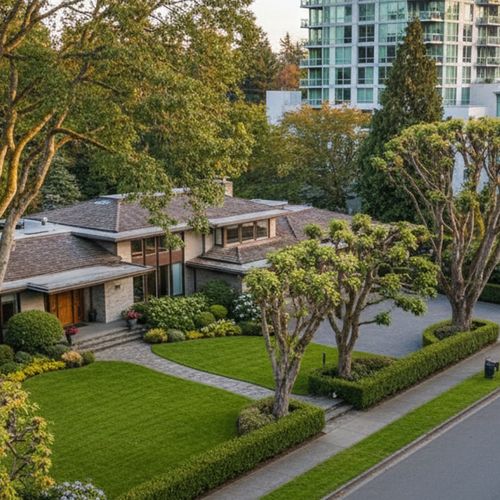
Real estate options here cater to vastly different lifestyle preferences and budgets. Downtown Bellevue features luxury high-rise condominiums that offer walkability to major employers and retail centers. Moving further from the city core reveals sprawling single-family homes situated on large, heavily wooded lots in established neighborhoods.
Everyday expenses also reflect the premium nature of the city. Groceries, utilities, and local services factor into a high cost of living index that requires careful financial planning. The clear takeaway for buyers is that securing a home in Bellevue demands aggressive financing preparation and a willingness to act immediately when the right property surfaces.
Bellevue School District Objective Performance Metrics
Public education infrastructure is a major driver of real estate demand across King County. The Bellevue School District consistently ranks among the top-rated public school systems in Washington state. Objective academic performance data shows reading proficiency rates across the district routinely exceeding 90 percent.
The district operates several prominent high schools, including Newport High School, Interlake High School, and Bellevue High School. These facilities are known for offering rigorous academic pathways that prepare students for competitive university admissions. Specialized curriculum options include extensive Advanced Placement and International Baccalaureate programs.
Strong educational infrastructure directly impacts property values, even for buyers who do not plan to utilize the schools. Homes zoned for the highest-performing facilities often command a premium and retain their value during market shifts. This makes purchasing property within the district boundaries a highly strategic long-term investment.
Bellevue, WA Commute Times to Seattle and Public Transit Options
Commuting infrastructure in the region has undergone a massive transformation recently. The city hosts major corporate offices for technology giants, including Microsoft and an expanding Amazon workforce. This localized job density means many residents enjoy brief commutes entirely within the city limits.
For those traveling to Seattle, driving across Lake Washington via Interstate 90 or State Route 520 remains a common choice. Rush hour traffic heavily impacts these routes, frequently pushing drive times well past 45 minutes during peak periods. Buyers must carefully map their specific commute requirements before committing to a neighborhood.
Public transit completely shifted on March 28, 2026, with the milestone opening of the full Sound Transit 2 Line across the lake. This light rail expansion provides a reliable, traffic-free connection between the Eastside and central Seattle. Travel time via rail from the Bellevue Downtown Station to Westlake Station now takes exactly 25 to 28 minutes.
Bellevue, WA Parks, Recreation, and Local Amenities
The integration of urban development and natural preservation defines the local landscape. Central gathering spaces like Bellevue Downtown Park offer residents structured green space right in the commercial core. Just blocks away, Meydenbauer Bay Park provides direct waterfront access and swimming areas along Lake Washington.
Beyond the urban center, the city maintains extensive trail systems and protected natural environments. Mercer Slough Nature Park features miles of boardwalks winding through a massive wetland habitat. The Bellevue Botanical Garden offers cultivated landscapes that draw visitors year-round.
The retail and dining environment operates at a premium level, anchored by massive commercial hubs. The Bellevue Collection and Bellevue Square feature high-end shopping, extensive dining options, and indoor entertainment. Culturally, the Bellevue Arts Museum serves as a focal point for contemporary craft and design exhibitions.
Pros and Cons of Living in Bellevue, Washington
Evaluating a relocation to this area requires weighing exceptional civic infrastructure against premium pricing. The local economy provides unmatched stability, but the barrier to entry for homeownership is steep. Buyers must look objectively at how the region aligns with their daily needs.
The advantages of the city are heavily tied to its economic output and civic planning. Conversely, the drawbacks center almost entirely on the financial requirements and regional traffic patterns.
Pro: A thriving local job market heavily anchored by top-tier technology employers and corporate headquarters.
Con: A cost of living and median home price of approximately $1,500,000, which sits significantly higher than the national average.
Pro: Access to a highly rated public education system and robust, well-maintained city infrastructure.
Con: Consistent traffic congestion on major interstates, specifically I-405 and I-90, during peak commuting hours.
Frequently Asked Questions About Living in Bellevue, WA
What is the cost of living like in Bellevue, WA?
The cost of living here is substantially higher than the national average, driven primarily by housing expenses. Everyday costs for groceries, utilities, and transportation also carry a premium compared to other parts of Washington state. A median home price of roughly $1,500,000 requires significant income to maintain a comfortable lifestyle.
How do crime rates in Bellevue compare to the national average?
Property and violent crime rates in the city generally track lower than the national average and regional urban centers. The local police department publishes objective, updated statistical reports online for residents to review. Evaluating these specific data points helps buyers make informed decisions about different neighborhood zones.
What is the weather like in Bellevue, WA?
The climate features dry, warm summers and prolonged periods of overcast, rainy weather from late autumn through spring. Average summer temperatures typically reach the mid-70s, while winter days hover around 40 degrees. The city receives roughly 40 inches of rain annually, meaning outdoor enthusiasts must prepare for wet conditions.
Check out this article next