

Bellevue has transformed from a quiet Seattle suburb into a powerhouse employment hub with its own distinct real estate ecosystem. Buyers entering the market in 2026 face a highly competitive landscape driven by sustained tech industry growth and strict geographic constraints.
Understanding localized pricing, commute times, and school district boundaries is essential for making an informed purchase. The search for the best neighborhoods in Bellevue, WA requires looking past generic desirability and focusing on objective metrics like inventory levels and proximity to major transit corridors.
With citywide median home prices hovering between $1.5M and $1.8M, identifying the right pocket of the city dictates both your daily lifestyle and long-term investment potential. This guide breaks down the specific data points shaping Bellevue property values this year.
Navigating the Bellevue Real Estate Market in 2026
The 2026 housing market in Bellevue operates at a rapid pace, with well-priced inventory often spending just 8 to 10 days on the market. This velocity is fueled by the city's status as a primary destination for relocating tech professionals rather than a secondary bedroom community. Buyers must be prepared to act decisively when a property matching their criteria becomes available.
Navigating this environment means recognizing that localized inventory constraints heavily influence property values from one zip code to the next. While the citywide median reflects a premium market, specific enclaves carry vastly different entry points depending on property type and lot size. Evaluating these variations objectively is the clearest path to finding a home that aligns with your financial parameters.
My strongest advice to buyers this year is to prioritize neighborhood infrastructure over cosmetic home updates. Bellevue maintains strict zoning laws that limit future development, meaning the premium on location and lot characteristics will only compound over time.
West Bellevue: Luxury Properties Near Downtown Attractions
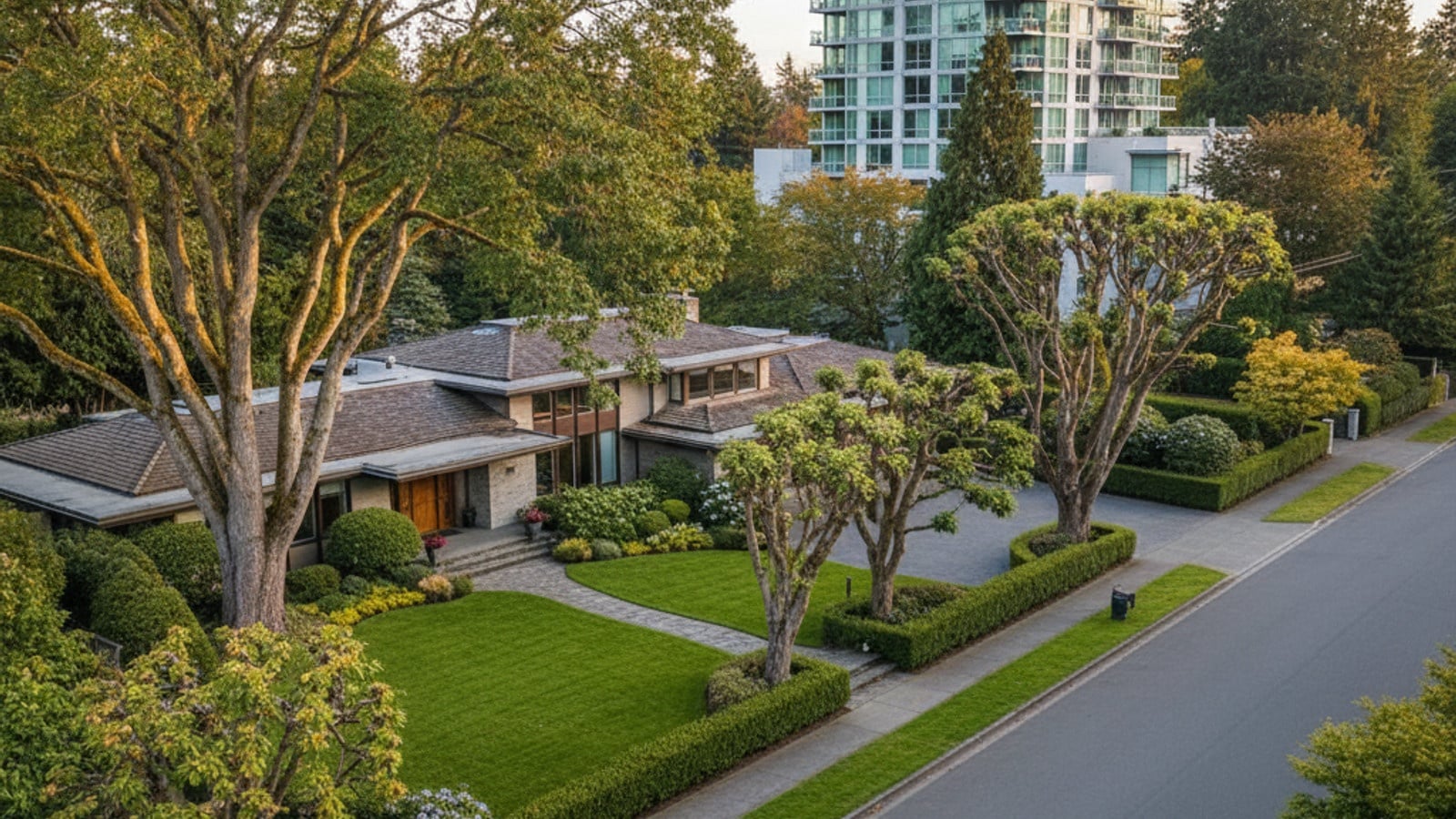
West Bellevue represents the absolute peak of the local luxury market, with median home prices tracking between $2.7M and $3.1M in early 2026. The real estate landscape here is a mix of sprawling mid-century modern estates and ultra-luxury new construction condominiums. This area commands a premium due to its immediate proximity to Downtown Bellevue and the waterfront access at Meydenbauer Bay.
The locational advantages are highly objective, offering residents unmatched walkability to major corporate offices, high-end boutiques, and specialty stores at Bellevue Square. Buyers targeting this area are paying directly for the convenience of a short commute and immediate access to the city's premier commercial amenities.
Somerset: Expansive Lots and Elevated Topography
Located in the southern portion of the city, Somerset is defined by its hillside geography and larger residential lot sizes. The neighborhood features a distinct architectural blend of original mid-century designs, classic Tudor homes, and modern custom builds. Because of the elevated terrain, many properties offer sweeping, unobstructed views of Lake Washington and the Seattle skyline.
Entering the Somerset market requires navigating a median home price of approximately $1.9M to $2.0M this year. Beyond the views, the area provides immediate access to the Coal Creek Natural Area, offering an extensive network of trails just minutes from residential streets.
Crossroads: Accessible Housing and Central Amenities
For buyers seeking more accessible entry points into the city, Crossroads offers a significantly lower median home price averaging around $724,000. This price difference is largely driven by a higher density of condominium inventory, though accessible single-family properties frequently hit the market. The neighborhood is anchored by the Crossroads shopping center, which serves as a major commercial and cultural hub.
The area features a community center, a public golf course, and adjacent parks that provide ample green space within a denser urban grid. It is also a highly strategic location for commuters, offering direct routes to major employers in the Spring District and neighboring Redmond.
Commuting and Employment Centers in Bellevue
Bellevue's real estate demand is intrinsically tied to its robust transit infrastructure and proximity to major regional employment hubs. Properties located near the Spring District and the Redmond border command high attention from buyers working at nearby tech campuses. Shortened daily travel times are a primary driver of property values across the eastern and central corridors of the city.
The regional commute landscape shifted significantly with the opening of the full East Link Extension across Lake Washington on March 28, 2026. This 2 Line light rail service provides a reliable, traffic-free connection between Downtown Bellevue, Mercer Island, and downtown Seattle. For buyers prioritizing public transit, homes within walking distance of these new stations represent highly strategic investments.
For those commuting by vehicle, the average drive time to Seattle remains approximately 15 to 25 minutes via Interstate 90 or SR-520 during typical traffic conditions. Buyers should map their specific daily routes during peak hours before finalizing a neighborhood choice. Access to these major highways varies greatly depending on whether you purchase in a northern enclave like Bridle Trails or a southern neighborhood near Factoria.
Understanding the Bellevue School District Boundaries
Localized property values throughout the city are heavily influenced by their proximity to specific Bellevue School District boundaries. Homes located within the geographic catchment areas for prominent facilities like Newport High School and Bellevue High School consistently see elevated demand. Buyers frequently target specific streets or subdivisions solely to align with these designated attendance zones.
It is critical to understand that district lines do not always follow logical neighborhood borders or major arterial roads. A property in the Woodridge area might fall into a different catchment zone than a home located just two blocks away. Relying on outdated listing information or verbal assumptions can lead to costly real estate mistakes.
I always instruct buyers to verify exact boundary lines through the official district mapping tools prior to submitting an offer on a home. Because the district occasionally adjusts these boundaries to manage facility capacity, independent verification is the only way to guarantee a property's current assignment.
Access to Bellevue's Parks and Outdoor Recreation
The integration of natural trailheads and expansive green spaces within the urban grid is a defining feature of Bellevue's city planning. Central outdoor amenities like the Bellevue Botanical Garden and Downtown Park provide immediate recreational access for residents in high-density condo buildings. These meticulously maintained public spaces offer walking paths, water features, and an Inspiration Playground right in the commercial core.
Neighborhoods in the southern and eastern portions of the city offer proximity to much larger, rugged landscapes. Residents living near Lakemont or Eastgate benefit from direct access to the Cougar Mountain Regional Wildland Park, which features miles of hiking trails through dense forests. Similarly, properties near Lake Sammamish provide opportunities for water-based recreation and beachfront access.
The Mercer Slough Nature Park offers a unique wetland environment right in the middle of the city, complete with boardwalks and canoe launches. Having these diverse outdoor options within a short drive significantly enhances the daily utility of properties across all price points.
Frequently Asked Questions About Bellevue Neighborhoods
What is the most walkable neighborhood in Bellevue?
Downtown Bellevue and West Bellevue offer the highest levels of walkability in the city. Residents in these areas can easily access Bellevue Square, high-end dining, and major corporate offices on foot. The flat terrain and dedicated pedestrian pathways make navigating the commercial core highly efficient.
Why are home prices generally higher in Bellevue compared to Seattle?
Bellevue faces strict geographical limits bordered by Lake Washington and Lake Sammamish, which severely restricts new housing inventory. Combined with the heavy concentration of major tech employers within the city, this limited supply drives intense market competition. The resulting median home price sits between $1.5M and $1.8M, reflecting this sustained demand.
Do most Bellevue neighborhoods require an HOA?
Many of the planned subdivisions and condominium complexes in Bellevue do require membership in a Homeowners Association. These HOAs maintain common green spaces, manage neighborhood entryways, and enforce local architectural guidelines. Monthly fees vary widely, ranging from $50 for basic neighborhood upkeep to over $800 for luxury condo buildings with extensive amenities.
Check out this article next