
Buyers evaluating a move to King County often ask, is Bellevue, WA safe? Answering this requires looking past subjective opinions and focusing directly on objective municipal data and infrastructure. Bellevue operates as a major tech hub in Washington state, drawing buyers who want proximity to major regional employers.
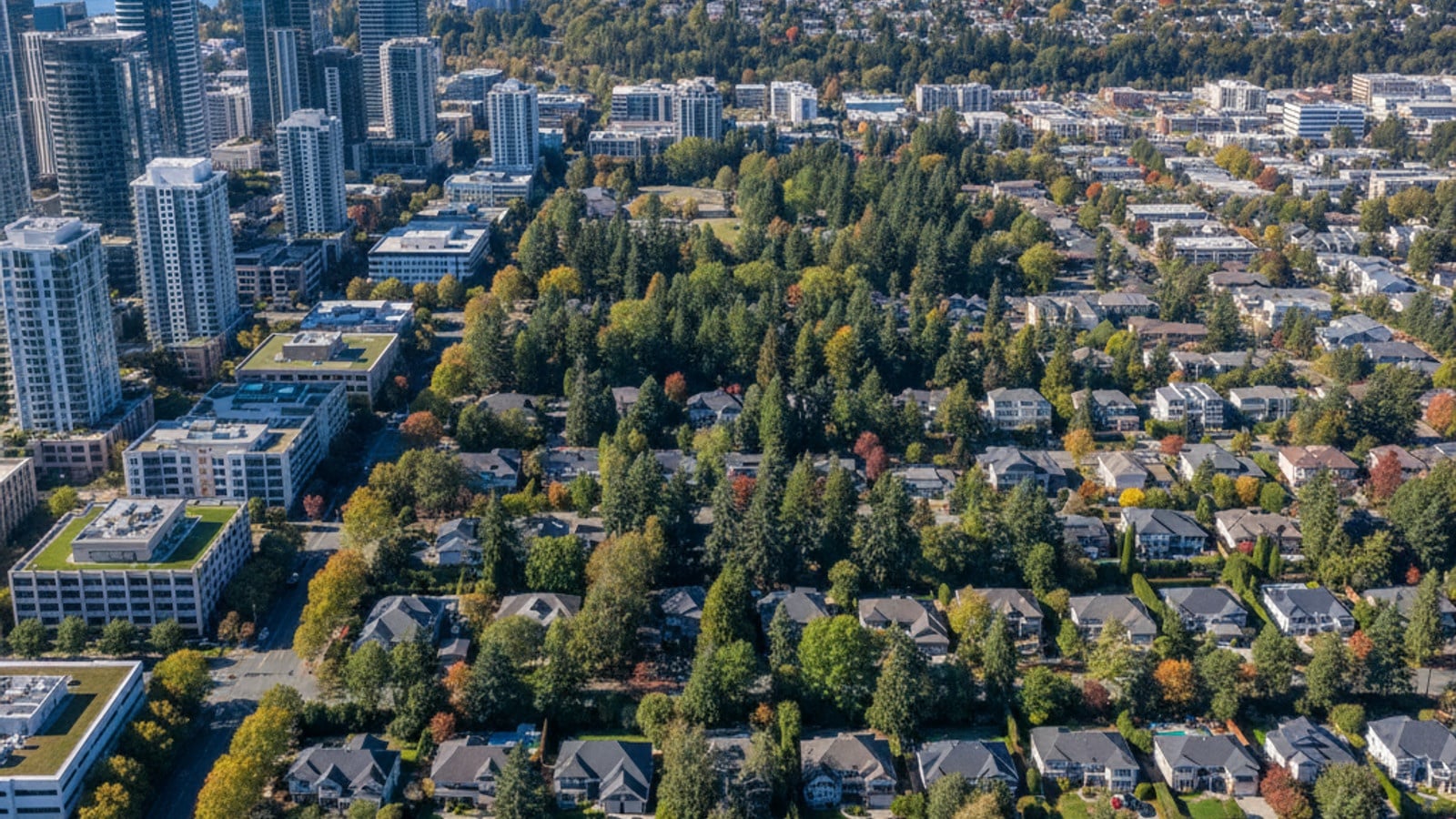
Situated along the eastern shores of Lake Washington, the city blends high-density commercial centers with established residential housing. We are currently analyzing the spring 2026 statistics, which provide a clear picture of the local market and municipal performance. Comparing current figures to 2025 data reveals measurable trends in property values, emergency response capabilities, and civic amenities.
Bellevue, WA Official Crime Statistics and Rates
Understanding crime in Bellevue requires reviewing the latest Uniform Crime Reports and local police data. The Bellevue Police Department recently reported an approximate 27 percent decrease in overall crime from 2025 to early 2026. This data indicates a significant municipal shift in how the metropolitan area handles public order.
Violent crime in the city remains statistically lower than the national average. Current FBI crime data shows that the statistical chance of becoming a victim of a violent crime here is approximately 1 in 722. Buyers often weigh this specific metric heavily when comparing the city to other major employment centers in the United States.
Property crimes present a different statistical reality for residents. The city experiences a property crime rate roughly 64 percent higher than the national average, primarily driven by retail theft, motor vehicle theft, and residential burglary. However, recent 2026 municipal data shows a 33 percent drop in property crimes compared to last year.
Buyers should factor this data into their relocation plans by budgeting for home security systems and secure parking.
Emergency Response Times and Municipal Services
Municipal infrastructure and emergency response capabilities directly impact resident experience and property values. Bellevue allocates substantial resources toward maintaining rapid response times across its diverse topography. The city utilizes a data-driven approach to position emergency personnel throughout the metropolitan area.
A well-funded emergency network provides a verifiable layer of civic stability. Buyers evaluating single-family homes or downtown high-rises benefit from understanding exactly how these local services operate. Strong municipal services historically correlate with sustained real estate demand and overall community investment.
Police and Fire Response Capabilities
The Bellevue Police Department tracks its dispatch metrics rigorously. Current 2026 data shows an average Priority One police response time of approximately 3.5 minutes. This performance consistently beats the department's official target of 3 minutes and 45 seconds.
The local fire department and EMTs operate with similar efficiency. Recent recruitment successes have kept staffing levels robust, ensuring rapid deployment for medical emergencies and fire calls. This level of readiness is a major selling point for the local housing market.
Overlake Medical Center and Healthcare Infrastructure
Access to comprehensive healthcare is a primary consideration for anyone moving to King County. Overlake Medical Center serves as the primary healthcare and emergency facility for the Bellevue population. The hospital campus provides extensive trauma care and specialized medical services.
Residents also have immediate access to numerous specialized clinics throughout the city. This concentrated medical infrastructure reduces the need to cross Lake Washington into Seattle for routine or urgent medical care.
Bellevue School District Objective Data and Rankings
Educational infrastructure serves as a foundational pillar for real estate value stability. The Bellevue School District consistently ranks at the top of Washington state educational assessments. Current data from Niche ranks it as the number one school district in the state for the third consecutive year in 2026.
The district maintains an approximate 93 percent overall graduation rate and an 18 to 1 student-teacher ratio. Specific facilities like Interlake High School regularly achieve high statewide standing based on standardized testing and academic programming. These objective metrics draw significant buyer interest to the neighborhoods zoned for these facilities.
Strong school district data historically protects median home prices during broader market fluctuations. Buyers frequently prioritize these boundaries, creating rapidly selling micro-markets within the city.
Bellevue, WA Real Estate Median Prices and Property Types
The spring 2026 housing market in Bellevue moves quickly and commands premium pricing. The current median home price ranges from approximately $1,350,000 to $1,500,000, depending on the specific neighborhood. Properties currently average just 8 to 10 days on the market before going under contract.
Buyers will find a distinct split in available property types across the city. The downtown core features dense high-rise condos, while areas further out offer sprawling single-family homes and mid-size townhomes.
High property values naturally come with elevated carrying costs. Buyers must carefully calculate local property taxes, monthly HOA fees, and insurance premiums. These carrying costs represent a significant portion of the high cost of living relative to local income levels.
Commute Times and Regional Infrastructure
Transportation logistics define the daily routine for residents commuting to regional employers. The local tech industry, anchored by the Microsoft campus in Overlake, drives heavy daily traffic patterns. City planners continuously upgrade transit corridors to manage this volume.
Primary transit routes rely heavily on highways I-405 and SR-520. The expansion of the regional light rail system provides an alternative public transit option for those traveling into Seattle. Evaluating these specific commute routes is an essential step before purchasing a home.
Objective Community Amenities and Public Spaces
Civic amenities play a major role in the quality of life in Bellevue. The city maintains an extensive network of parks, museums, and green spaces integrated directly into the urban and suburban landscape. These public assets provide objective value to the surrounding real estate.
Residents benefit from dedicated municipal funding that keeps these facilities well-maintained year-round. Access to outdoor recreation and cultural centers is a primary reason buyers target this specific part of King County.
Bellevue Downtown Park: This massive green space features a circular promenade, a large reflecting pool, and structured landscaping right in the commercial core.
Meydenbauer Bay Park: Situated on the waterfront, this park provides direct public access to Lake Washington, a swimming beach, and a pedestrian pier.
Bellevue Botanical Garden: This 53-acre facility offers cultivated gardens, natural wetlands, and walking trails that showcase the regional climate.
Bellevue Arts Museum: Located downtown, this cultural center focuses on art, craft, and design, serving as a distinct architectural and educational asset.
Frequently Asked Questions About Living in Bellevue
What is the cost of living like in Bellevue, WA?
The cost of living here is significantly higher than the national average. This is primarily driven by the 2026 median home price, which sits between $1,350,000 and $1,500,000. Everyday expenses, property taxes, and utility costs also reflect the premium nature of the metropolitan area.
How long does it take to commute to Seattle from Bellevue?
Commuting to Seattle typically takes 20 to 45 minutes depending on the time of day and exact departure point. Drivers primarily utilize the SR-520 toll bridge or the I-90 floating bridge to cross Lake Washington. The expanding light rail network offers a predictable, traffic-free alternative for daily commuters.
What are the crime rates in Bellevue, Washington?
Official FBI crime data shows violent crime is relatively low, with an approximate 1 in 722 chance of becoming a victim. However, property crime rates sit roughly 64 percent higher than the national average. Recent 2026 municipal data shows a 33 percent drop in property crimes compared to last year.
Is it safe to walk around Bellevue at night?
The city invests heavily in environmental design, featuring extensive street lighting and clear sightlines in the downtown core. The Bellevue Police Department maintains active patrols and rapid response times throughout the commercial and residential districts. Residents utilizing basic situational awareness generally navigate the city without issue after dark.
Check out this article next