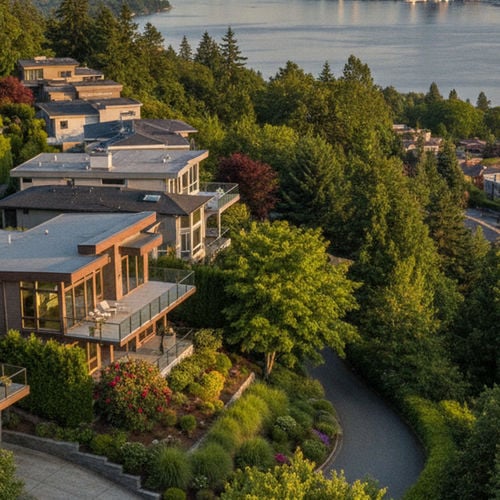

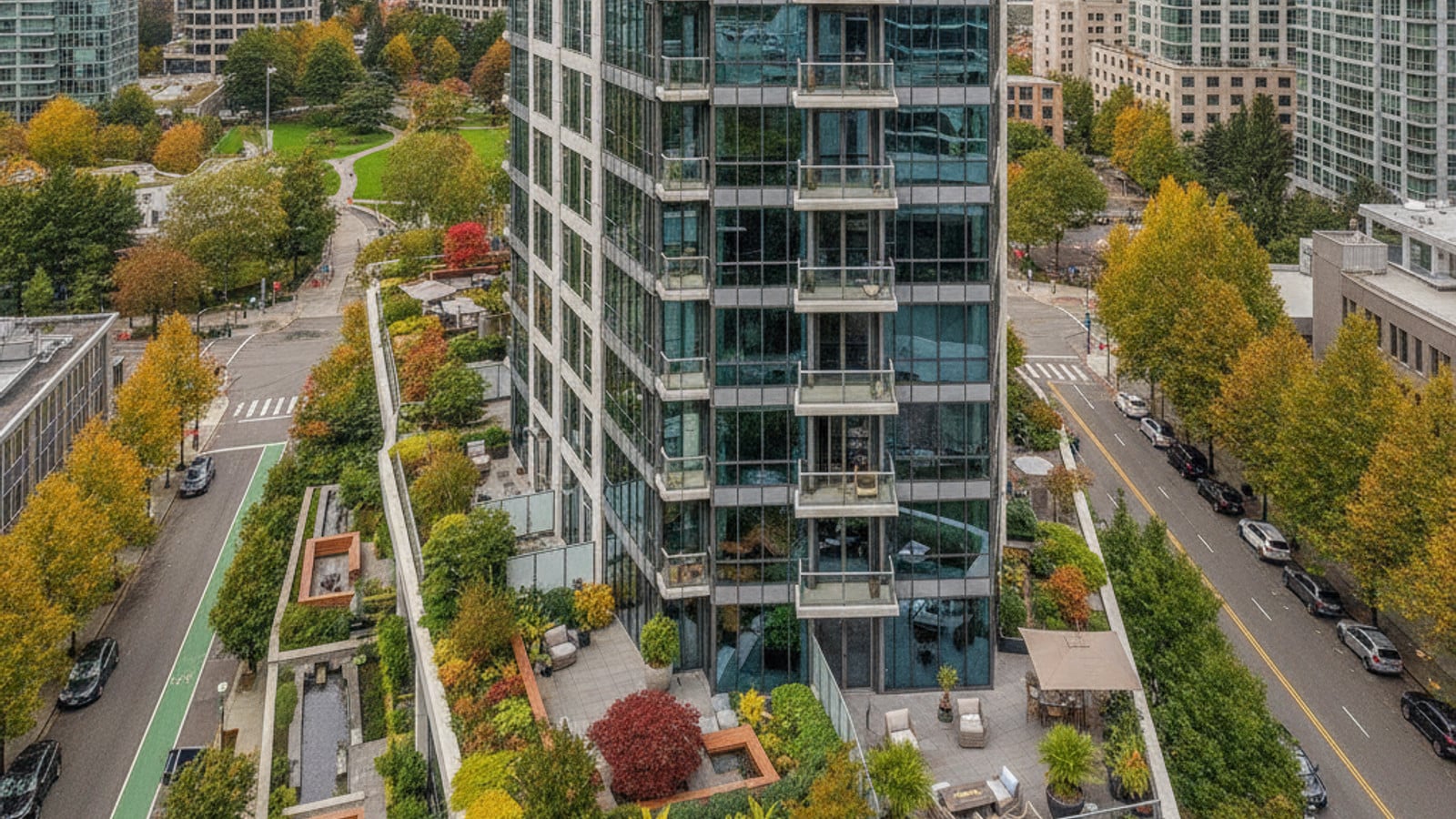
Bellevue isn't a Seattle suburb anymore - not really. It's become its own economic center, and the distinction matters when you're deciding where to live and work on the Eastside. Anyone considering living in Bellevue, WA, should know what to expect.
Young professionals considering relocating to Bellevue or elsewhere in the Pacific Northwest almost always face the same question: Seattle or Bellevue? The honest answer depends on your budget, your commute, and what you actually want your daily life to look like.
Why Young Professionals Choose the Eastside
The job market is the obvious starting point. Bellevue is where a significant portion of the region's tech, engineering, and corporate retail employment now lives, and a lot of people have simply followed the work.
The practical result of that shift is that many residents no longer deal with a cross-lake commute. Instead of sitting on I-90 or SR 520, they're a few miles from their office. That change in daily friction is real, and it's reshaped the local culture - the restaurants, the coffee shops, the lunch spots all orient themselves toward a young working crowd.
The Local Job Market
Bellevue's commercial core is dense with corporate campuses and a growing startup ecosystem. Software development, data engineering, and corporate management roles tend to concentrate here, which means your next job might be within biking distance of your apartment.
Cutting out the bridge commute is the thing people mention most. Whether you're walking, cycling, or driving a short stretch, not crossing Lake Washington every day is a genuine quality-of-life difference. The business district also makes organic networking easier - a lot of professional relationships start at coffee shops or lunch spots, not just formal events.
Cost of Living and Housing
That convenience carries a real cost, contributing to a higher cost of living. Housing in Bellevue - whether you're renting or buying - runs well above national averages and often matches or exceeds Seattle prices.
The median home sale price sits at around $1,400,000. Property taxes and utilities add to the monthly picture for anyone buying. Renters should check current local listings directly, since apartment rates shift based on amenities and proximity to downtown. Splitting a multi-bedroom unit with roommates is still the most common way people manage the initial expense.
Bellevue Neighborhoods to Consider
Where you land in Bellevue shapes everything - how you get around, what you spend on housing, and what your weekday evening looks like. The city runs the full range from walkable high-rise urban core to quiet, car-dependent residential streets.
It's worth understanding the trade-offs in each area before you start touring units.
Downtown Bellevue for Walkability
Downtown is the most urban part of the city - high-rise apartments, restaurants, grocery stores, and retail all within walking distance. If you want to live without defaulting to a car for every errand, this is where it happens.
You'll pay a premium for that convenience, especially for units with skyline views or direct access to the downtown transit center. The neighborhood centers around Bellevue Downtown Park, which gives residents green space that isn't just a median strip. Weekend farmers markets and summer events anchor the area's community feel.
Crossroads and Factoria for Value
Crossroads and Factoria are the places you look when the downtown price tags don't work for your budget. Both neighborhoods have a more suburban feel, and the older apartment complexes and townhomes there typically give you more square footage per dollar.
Crossroads has a well-established international dining scene and community gathering spaces that give it a distinct character. Factoria sits close to major highway access, which makes it practical if your commute goes south or east rather than into the city center - and the retail concentration there means daily errands don't require much planning.
Spring District for Commuters
The Spring District was built with commuting in mind. It's a newer transit-oriented development that mixes office space, residential buildings, and retail in a compact, walkable footprint - with pedestrian paths and bike lanes taking priority over car traffic.
The neighborhood is still growing, adding businesses and community spaces on a regular basis. Early residents get modern building amenities and a planned layout, which appeals to professionals who want direct access to regional transit without giving up a newer apartment.
Renting an Apartment vs. Buying a Home
For most young professionals arriving in Bellevue, the initial question isn't which neighborhood - it's whether buying is even on the table. The market moves fast and the entry price is high, so understanding both sides of this decision early saves you time.
What to Know About Renting
Most people start by renting, and that's a reasonable approach. Newer buildings come loaded with amenities - co-working spaces, fitness centers, rooftop lounges - and command higher monthly rates than the older, more value-focused complexes.
Tour a few different building styles before you commit. The amenities that look great in photos aren't always the ones you'll actually use. Lease terms typically run twelve months, with move-in costs covering first month's rent and a security deposit. If you're planning a summer move, expect more competition - recent transplants tend to hit the market at the same time.
Buying a Starter Home on the Eastside
Buying here is doable, but it requires preparation before you start looking. Homes average just 15 days on the market, and available inventory sits at roughly 521 homes - about a 4.2-month supply.
Demand holds steady. Homes are selling at roughly 99% of list price, and nearly 18% of recent sales closed above asking. Get pre-approved before you're serious, not after you find something you like. A local agent who knows which neighborhoods fit your budget constraints is worth the conversation.
Building a Network and Meeting People
Moving somewhere new means building from scratch, and Bellevue isn't the kind of city where that happens automatically. You'll need to put in some effort - but the infrastructure for connecting is there if you look for it.
The Eastside has formal business councils, civic organizations, and casual social meetups. Getting plugged into even one of them early makes the transition considerably easier.
Professional and Civic Organizations
Local chamber of commerce chapters and civic groups host regular networking events aimed at young professionals. These are practical, structured environments to meet people outside your immediate workplace and across different industries.
Specialized groups exist too - the local urban league young professionals, for instance, focuses on community engagement and leadership development. Many organizations charge an annual membership fee but let guests attend initial meetings for a small ticket price. Getting onto a committee within one of these groups tends to accelerate things faster than just showing up to events.
Cultural and Faith-Based Groups
There are active networks for young Jewish, Catholic, Black, and Latino professionals in Bellevue - people connecting over shared backgrounds rather than shared job titles. These groups typically organize social outings, volunteer days, and mentorship programs.
Real estate professionals, healthcare workers, and tech employees often form sub-groups within these larger organizations. A large metro area becomes a lot more manageable once you find a community with values that match yours.
Frequently Asked Questions
What salary do you need to live comfortably as a young professional in Bellevue, WA?
It depends on how you're housing yourself. With the median home price around $1,400,000 and rents running high, you need a substantial income to keep a comfortable margin. Budget housing costs carefully before you sign anything.
Which Bellevue, WA neighborhoods are best for young professionals and singles?
Downtown Bellevue and the Spring District draw the most interest for their walkability and transit access. If you want more space or a lower price point, Crossroads and Factoria are worth looking at. Where you land should reflect your commute and how much you value proximity to dining and entertainment.
Is Bellevue too quiet for young professionals compared to the Seattle social scene?
It depends on what kind of nightlife you're after. Bellevue has upscale dining, cocktail lounges, and modern entertainment venues, but it doesn't have the late-night club scene you'll find in parts of Seattle. A lot of residents are fine with that and make the trip to Seattle for specific events.
Should I live in downtown Bellevue or commute from Seattle if my tech job is on the Eastside?
If your office is on the Eastside, living in Bellevue is almost always the more convenient choice. Commuting across the lake from Seattle during rush hour adds meaningful time to your day. If a short commute matters more to you than Seattle's urban density, Bellevue is the cleaner option.
Is it realistic for a young professional to buy a starter home in Bellevue, WA or is it mostly rentals?
Buying is possible - but it takes real financial preparation. The median sale price is around $1,400,000, and homes move fast, averaging just 15 days on the market. Most young professionals rent first while building toward a down payment.
Do you need a car to live and work as a young professional in Bellevue, WA?
It depends on your neighborhood, where you work, and how you prefer getting around Bellevue. If you're in Downtown Bellevue or the Spring District, walking, biking, and transit can cover most of your needs. Getting to suburban areas, hiking trails, or neighborhoods like Factoria generally means you'll want a vehicle.
Check out this article next