
Bellevue's rental market commands some of the highest prices in the Pacific Northwest. With a median home sale price hovering around $1,400,000 as of mid-2026, many residents choose to lease apartments rather than buy. Those who do decide to purchase often work with the best real estate agent in Bellevue to find a home. The local tech industry continues to draw new residents to the Eastside, keeping demand for housing steady year-round.
Finding a place to live here requires a clear understanding of current market rates and location premiums. Rents vary quite a bit depending on whether you want a high-rise downtown or a garden-style unit further east. Knowing what to expect for your budget helps you narrow down your search and move quickly when the right listing appears.
What Does It Cost to Rent in Bellevue Right Now?
The overall average rent in Bellevue ranges from $2,600 to $2,950 per month, depending on the property type and location. These figures place the city roughly 50 percent above the national median for apartment costs. Year-over-year trends show that while the rapid price spikes of previous years have leveled off, the market remains tight for well-maintained units.
Renters will find that newer buildings with modern amenities command the top end of that price spectrum. Older properties, especially those built before 2000, often offer lower monthly rates but may lack features like in-unit laundry or covered parking. Budgeting for these base rents is the first step in planning a move to the Eastside.
Rent Prices by Bedroom Count
The size of your household and your need for a home office will dictate your baseline costs. Here is a breakdown of median monthly rents by unit size for the middle of 2026:
Studio apartments: $2,000 to $2,100 per month.
One-bedroom apartments: $2,500 to $2,900 per month.
Two-bedroom apartments: $3,100 to $3,400 per month.
Three-bedroom units and single-family rental homes frequently exceed $4,000 per month. Renters should also factor in standard utility costs, which generally add another $200 to $250 to the monthly housing budget.
Rent Differences Across Local Neighborhoods
Location dictates price more than almost any other factor in this city. Apartments situated within walking distance of major employers or transit hubs consistently carry a premium. Renters prioritizing an urban lifestyle will pay more than those willing to drive or bus a few miles to work.
The city features distinct zones, each offering a different mix of housing types and local amenities. From high-density towers near Bellevue Square to quieter streets near Lake Washington, the zip code you choose shapes your daily routine and your monthly expenses.
Downtown Bellevue and BelRed
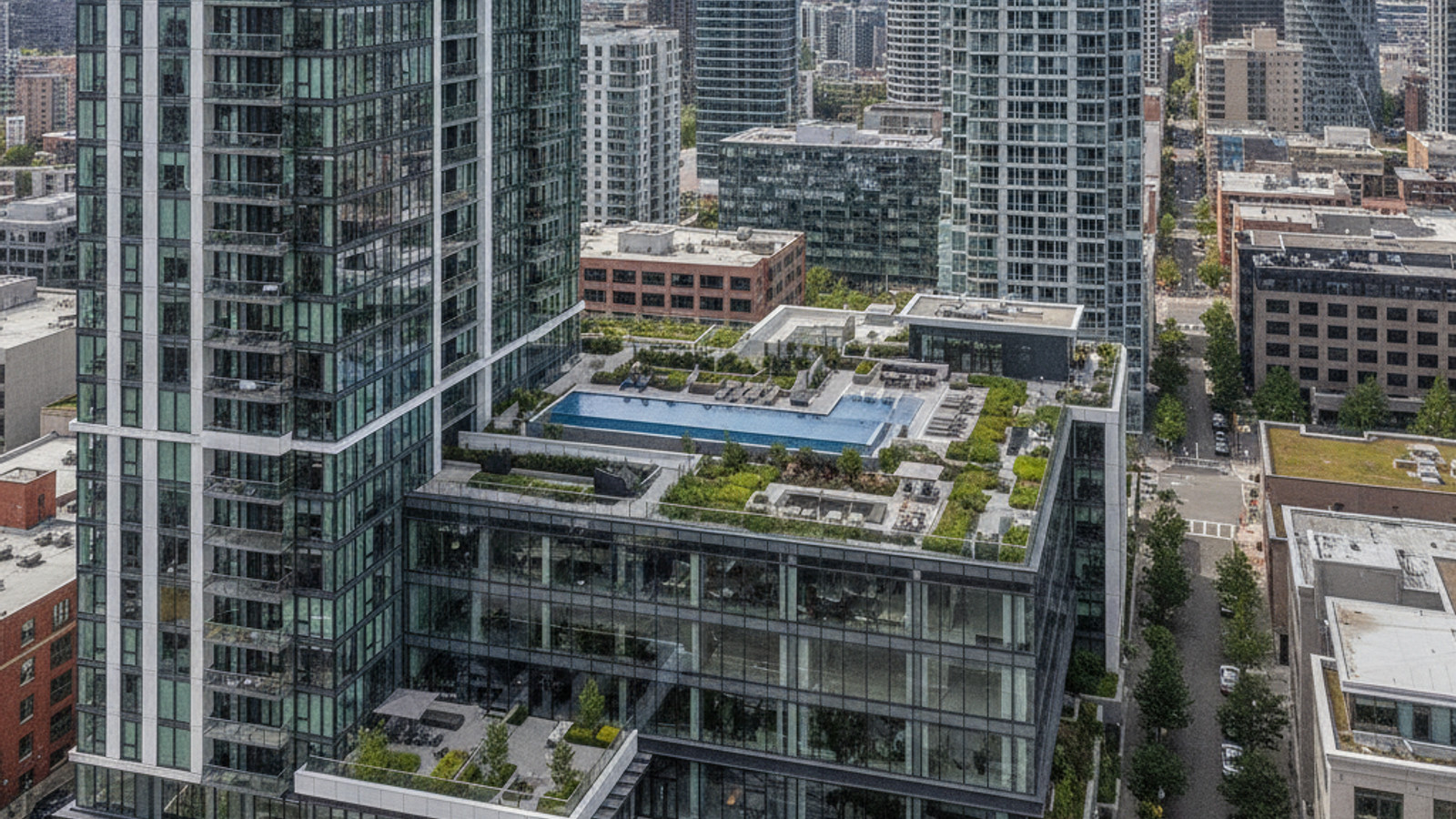
The urban core features a dense concentration of new construction and high-rise apartments. Renters here pay top dollar for proximity to Bellevue Downtown Park, major retail centers, and a cluster of tech offices. Many of these buildings offer high-end amenities, including rooftop decks, fitness centers, and concierge services.
The BelRed corridor has also seen intense development in recent years. This area mixes industrial spaces with modern mid-rise apartment complexes. The March 2026 opening of the 2 Line light rail stations has made this stretch popular for commuters looking for immediate transit access.
Lake Hills, Crossroads, and Factoria
Renters looking for more square footage at a lower price point often focus on the eastern and southern parts of the city. The 98007 and 98008 zip codes provide older, garden-style apartment communities and single-family home rentals. These areas generally offer lower monthly rents compared to the downtown core.
Lake Hills sits close to Bellevue College, making it a practical choice for those studying or working nearby. Crossroads and Factoria both feature large retail centers, giving residents immediate access to grocery stores, restaurants, and daily services without needing to drive across town.
Northeast and Northwest Bellevue
The northern sectors of the city blend residential areas with massive corporate campuses. Properties in the Overlake area border the Microsoft headquarters, keeping rental demand consistently strong among tech workers. Northwest Bellevue offers access to Lake Washington and local green spaces, though apartment inventory is lower in these predominantly single-family zones.
Renters looking for larger properties often explore the Bridle Trails area. This neighborhood features more acreage and spacious rental homes, though the monthly costs reflect the larger square footage and proximity to Bellevue School District facilities.
Comparing the Cost of Living: Bellevue vs. Seattle
Many renters debate whether to lease on the Eastside or stay within Seattle city limits. Bellevue consistently ranks as the more expensive option for both renting and buying. While Seattle's median home value sits around $830,000, Bellevue's median sale price remains roughly $1,400,000, pushing many potential buyers into the rental market.
Beyond housing, other daily expenses also differ between the two cities. Groceries, dining out, and general services tend to cost slightly more on the Eastside. Renters should evaluate their total monthly budget, as the income required to qualify for a median-priced Bellevue apartment is higher than the Seattle equivalent.
Commuting and the New Light Rail Connection
The completion of the 2 Line light rail in March 2026 transformed how residents travel across Lake Washington. Commuters can now ride directly from Bellevue into downtown Seattle across the I-90 floating bridge. This reliable transit option has shifted where many professionals choose to live.
Renters who work in Seattle often find that living near a Bellevue rail station offers a cleaner, more predictable commute than driving. Conversely, Seattle residents working on the Eastside can now easily commute to BelRed or the Overlake transit center without sitting in highway traffic.
How to Secure Your Next Apartment
The local rental market moves quickly, especially during the peak summer leasing season. Landlords typically require applicants to prove a gross monthly income of at least two and a half to three times the rent. You will need to provide recent pay stubs or an offer letter to verify your earnings.
Before signing a lease, renters should clarify all recurring fees beyond the base rent. Many buildings charge separately for parking, pet rent, and communal utilities.
Check listings early: Start your search 30 to 60 days before your target move-in date.
Prepare your documents: Have your employment verification and government ID ready to submit with your application.
Account for extra costs: Budget for upfront expenses like security deposits, application fees, and potential move-in fees charged by condo associations.
Frequently Asked Questions
What salary do I need to live comfortably and afford rent in Bellevue, WA?
Most local landlords require your gross monthly income to be at least three times your rent. To comfortably afford a typical $2,800 one-bedroom apartment, you should earn approximately $100,000 per year.
Is it cheaper to rent or buy a home in Bellevue, WA?
Renting is currently much cheaper on a monthly basis than buying. With median home prices around $1,400,000 and homes selling in just 15 days on average, a mortgage payment far exceeds the $3,400 median rent for a two-bedroom apartment.
Do Bellevue rent prices drop in the winter?
Lease rates often soften slightly between November and February when fewer people want to move. Renters searching during these colder months can sometimes negotiate lower deposits or secure a free month of rent from larger apartment complexes.
What are the most affordable and expensive neighborhoods for rent in Bellevue, WA?
Downtown Bellevue and BelRed command the highest prices due to new construction and transit access. More affordable options are typically found further east in Crossroads and Lake Hills, where older garden-style communities dominate the market.
How does Bellevue's rent compare to Seattle and the national average?
Bellevue is more expensive than both Seattle and the broader United States. Average rents here run roughly 50 percent above the national median, reflecting the strong local tech economy and high demand for Eastside housing.
How will the 2026 Light Rail expansion affect apartment rents in BelRed and Downtown Bellevue?
The March 2026 opening of the 2 Line has already solidified premium pricing near the new stations. Landlords in BelRed and the downtown core factor this immediate transit access into their monthly rates.
What upfront fees and deposits are typical when signing a lease for a Bellevue apartment?
Expect to pay a non-refundable application fee, a security deposit often equal to one month's rent, and sometimes a separate pet deposit. If you rent a privately owned condo, the homeowner's association may also require a non-refundable move-in fee.
Check out this article next