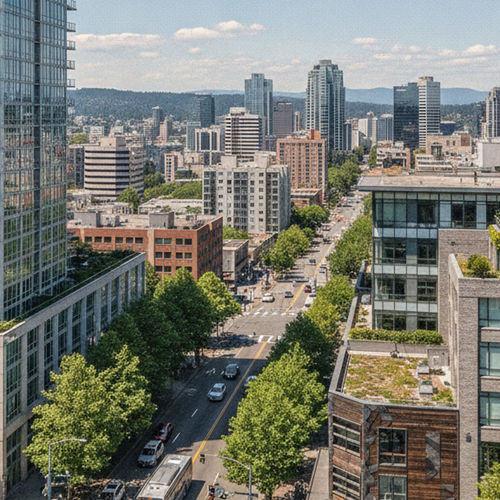

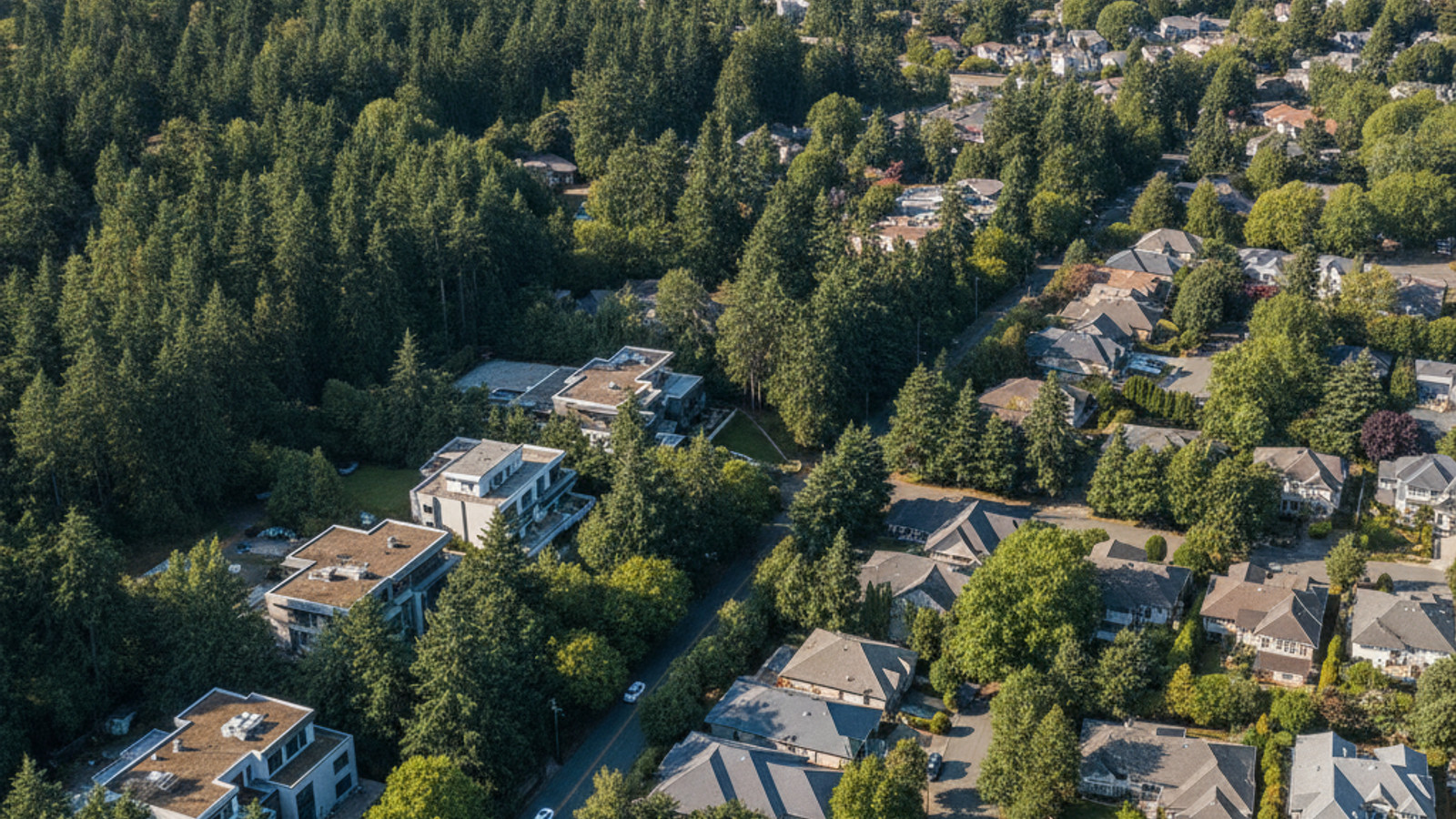
Bellevue's real estate market commands some of the highest prices in the Pacific Northwest, making it crucial to work with the best real estate agent in Bellevue, WA. Buyers looking at properties here need to prepare for a high barrier to entry, as the median sale price sits around $1,400,000 as of mid-2026.
The city's overall median obscures the massive price gap between different property styles. A downtown high-rise condo carries a very different price tag and monthly carrying cost than a detached house near Lake Washington.
Current Home Prices in the Bellevue Market
Recent MLS data shows the median sale price for a Bellevue home is approximately $1,400,000. Homes typically spend about 15 days on the market before going under contract. Buyers are currently seeing a sale-to-list ratio of roughly 99 percent, meaning most properties sell very close to their asking price.
Property types dictate exactly how much you will spend. Entry-level condos in neighborhoods like Factoria start around $560,000, offering a more accessible entry point. Conversely, single-family homes routinely exceed the $1.5 million mark, particularly those with larger lots or updated interiors.
With roughly 521 active listings and 4.2 months of supply available in the city, buyers have more options than in previous tight-inventory cycles. Well-priced properties still draw multiple offers.
How Bellevue Home Values Have Changed Recently
Bellevue's active inventory and median sale prices have shifted noticeably over the last five years. While the explosive price growth of 2021 and 2022 pushed median values to record highs, the market has stabilized heading into 2026. Year-over-year median sale prices have seen a slight decrease of around 15 percent, bringing the median down to that $1.4 million range.
Single-family homes in specific school boundaries often sell faster than older condo units. Buyers tracking the market should monitor neighborhood-level data rather than relying entirely on citywide averages.
Active inventory is up roughly 25 percent compared to previous years. This increase gives buyers more breathing room during negotiations and inspections.
Commuting and Transit Options
Most Bellevue commuters rely on Interstate 90 and State Route 520 to reach Seattle and Redmond. The time spent in traffic directly impacts daily routines, and homes located closer to these major arterials often command premium prices. Access to the downtown tech employment centers also drives demand for nearby residential areas.
Public transportation provides an alternative to driving. The regional transit network connects the Bellevue area to other major metro areas across King County. Buyers should test their specific commute during rush hour to see how long the trip takes from a prospective address.
School district boundaries also shape where buyers choose to look. The Bellevue School District covers the majority of the city, and properties within its borders are consistent drivers of buyer interest.
Access to Parks and Outdoor Space
Bellevue maintains dozens of public parks and recreational facilities throughout the city limits. Properties located within walking distance of major green spaces tend to hold their value well. Downtown Park offers a massive open lawn and walking promenade right next to the commercial core.
Meydenbauer Bay Park provides direct access to the water, featuring a swimming beach and pedestrian pier. The Bellevue Botanical Garden offers 53 acres of cultivated gardens and restored woodlands.
Property Taxes and HOA Fees in King County
King County property taxes and homeowners association dues add thousands of dollars to annual housing costs. The current property tax rate for the city is roughly $7.42 per $1,000 of assessed value. On a $1.4 million home, that translates to over $10,000 annually in property taxes alone.
Homeowners association fees add another layer to monthly carrying costs. Average HOA fees for condos and planned communities range from $250 to $600 per month. Downtown high-rises often exceed $1,000 per month, though these dues typically cover water, sewer, garbage, and building maintenance.
General utility costs and the overall cost of living in Bellevue track higher than the national average.
Frequently Asked Questions
How much is the average house in Bellevue, Washington?
Your total housing costs depend entirely on the property style you choose. While single-family homes routinely command over $1.5 million, buyers who target attached units can often secure a property for less than half that amount.
How much do I need to make to afford a home in Bellevue, Washington?
Affording a $1.4 million median-priced home typically requires a household income well over $250,000, assuming a 20 percent down payment and current interest rates. Lenders will calculate your specific debt-to-income ratio to determine exact qualification limits.
Is it cheaper to live in Bellevue or Seattle?
Seattle generally offers lower median home prices than Bellevue. While both cities are expensive compared to national averages, Bellevue's housing market commands a premium due to its proximity to major tech headquarters and newer housing developments.
How much are typical HOA fees in Bellevue?
Monthly dues vary drastically based on the amenities provided. While a basic townhouse community might charge a few hundred dollars for exterior maintenance, luxury high-rises often levy much higher fees to fund 24-hour security and indoor pools.
How have Bellevue home prices changed over the last five years?
Values have cooled noticeably from their record highs, shifting the market slightly in favor of buyers. You can use the expanded supply of available homes to negotiate better terms, as sellers are now more likely to consider mortgage rate buydowns or closing cost credits.
What hidden costs should buyers watch out for when purchasing a home in Bellevue?
Always review a condo association's reserve study to spot upcoming special assessments for major repairs. You should also budget for seasonal utility spikes and double-check the specific property tax millage rate for your target neighborhood.
Check out this article next